Comment choisir un fournisseur de pièces d'emboutissage métallique pour les applications automobiles
Un support embouti défectueux peut déclencher un rappel coûteux, arrêter votre chaîne de production et nuire à votre réputation. Les enjeux exigent une sélection rigoureuse des fournisseurs. Votre premier filtre doit être la certification IATF 16949 — un cadre garantissant la traçabilité et l’amélioration continue, et non de simples formalités administratives. Le marché reflète cette urgence : la demande mondiale de pièces automobiles Pièces métalliques embouties sur mesure a atteint 89,67 milliards de dollars en 2022 et devrait atteindre 132,64 milliards de dollars d’ici 2030.
|
Indicateur |
Valeur |
|---|---|
|
Taille du marché mondial (2022) |
89,67 milliards de dollars |
|
Taille du marché prévue (2030) |
132,64 milliards de dollars |
|
TCAC (2021-2030) |
4,45 % |
Au-delà de la certification, vous devez évaluer l’expertise technique, les systèmes qualité et la stabilité financière. Recherchez un partenaire proposant des services d’emboutissage métallique de précision et de solides capacités en pièces de quincaillerie embouties Votre objectif : des pièces métalliques embouties durables et de haute précision, conçues pour les applications automobiles exigeantes.
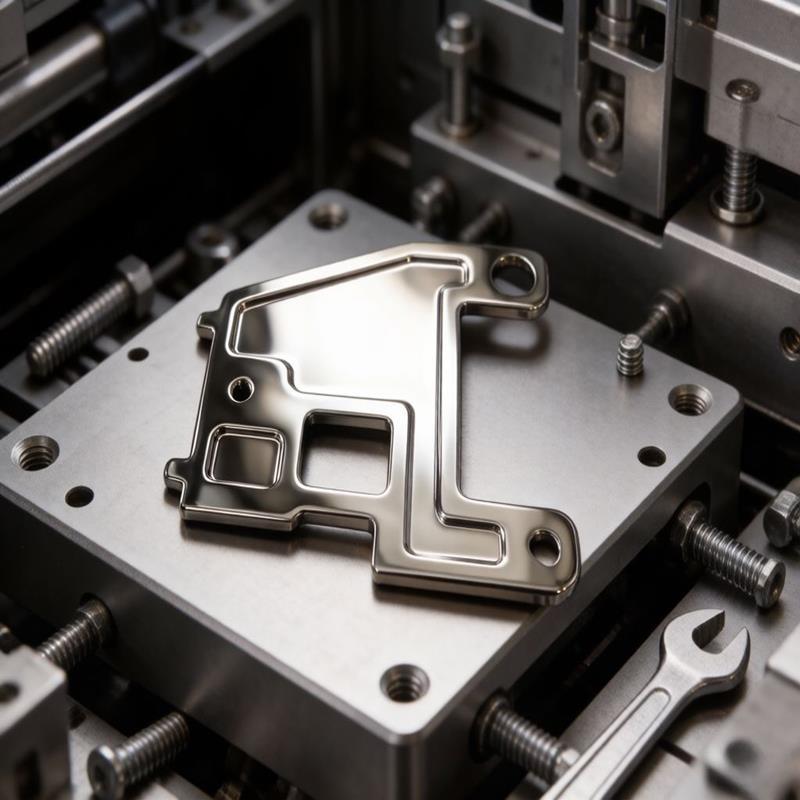
La qualité constitue le fondement des pièces métalliques embouties sur mesure. Ces composants subissent des vibrations extrêmes, des variations de température et une exposition à la corrosion tout au long de leur durée de vie. Un support d’aile ou un enjoliveur qui tombe en panne en cours de cycle entraîne des réclamations au titre de la garantie et érode la confiance des clients. Vous avez besoin d’un fournisseur dont les systèmes qualité correspondent à la rigueur de vos propres normes d’ingénierie.
Commencez par vérifier la certification. L’IATF 16949 reste incontournable, mais vous devez confirmer que son périmètre couvre les procédés d’emboutissage sur le site de production concerné. Consultez directement le registre mondial de l’IATF plutôt que d’accepter un certificat imprimé. Une certification générale sans périmètre d’emboutissage n’offre aucune garantie.
Au-delà de la norme de base, les exigences spécifiques des clients OEM ajoutent un niveau supplémentaire. La VDA 6.3 pour Volkswagen, Ford Q1, GM BIQS et les CSR de Stellantis imposent chacune des exigences propres aux programmes. Un fournisseur travaillant avec plusieurs OEM doit recenser et satisfaire simultanément toutes les exigences applicables.
Demandez un dossier PPAP complet de niveau 3 provenant d’un programme antérieur comparable. Il comprend la DFMEA, la PFMEA, le plan de contrôle, la MSA et les études Cpk. Examinez ces documents de manière critique plutôt que de simplement les classer. Lors d’un audit sur site, observez les données SPC en temps réel issues d’une production réelle, et non un résumé préparé pour votre visite. Confirmez que les programmes CMM reflètent la révision actuelle du plan, avec un Cpk ≥ 1,67 pour toutes les dimensions critiques.
La conformité des matériaux exige le même niveau d’attention. Demandez des rapports d’essais des matériaux indiquant la composition chimique, la limite d’élasticité et l’allongement correspondant à la nuance ASTM spécifiée. Vérifiez la traçabilité du numéro de coulée depuis la bobine brute jusqu’à la pièce finie. Soyez attentif aux lots mélangés sans étiquettes de traçabilité claires.
L’IATF 16949 exige une traçabilité complète des produits pour les opérations sur tôles métalliques. Cela nécessite de relier chaque pièce finie à sa bobine ou à son lot de tôles spécifique, à la machine de traitement et à l’opérateur responsable.
Cette chaîne de traçabilité permet de remonter jusqu’aux lots de matériaux exacts et aux conditions de procédé, même plusieurs mois après la production.
Évaluez les performances qualité à l’aide d’indicateurs clés concrets :
|
Indicateur clé de performance |
Mesure |
Objectif de référence |
|---|---|---|
|
Taux de défauts (PPM) |
Pièces non conformes par million livrées |
|
|
Rendement au premier passage |
Pourcentage de pièces conformes sans retouche |
> 95 % |
|
Précision dimensionnelle |
Dimensions critiques dans les tolérances |
100 % pour les caractéristiques CTQ |
|
Taux de défauts de surface |
Rayures, bavures, défauts de placage |
|
|
Taux de SCAR |
Demandes formelles d'actions correctives |
|
|
Variabilité du délai de livraison |
Écart type entre les délais réels et promis |
|
Haute précision Services d'emboutissage métallique de précision nécessitent une capacité de presse importante. Des exemples industriels montrent que des presses servo de 330 tonnes et 700 tonnes traitent des composants automobiles complexes. Une capacité de tolérance de ±0,0005 pouce ou plus stricte représente la norme de précision pour les pièces de sécurité critiques.
Les capacités d'outillage internes distinguent les partenaires compétents des simples intermédiaires. La création d'outils personnalisés prend de 8 à 26 semaines, donc un fournisseur disposant de capacités internes de conception et de fabrication maîtrise votre calendrier. Recherchez des logiciels de conception d'outils 3D, des capacités de simulation et une technologie de capteurs intégrés dans l'outil garantissant une qualité constante.
L'équipement de l'atelier d'outillage est important : fraisage et tournage CNC, électroérosion pour les profils complexes, rectification plane et de forme, ainsi que des ressources dédiées aux calibres et aux montages. Les diagnostics immédiats des outils permettent un dépannage en temps réel sans expédier les matrices hors site. L'efficacité liée à la proximité signifie un redémarrage plus rapide de la ligne pour les poinçons ébréchés, les problèmes d'alignement ou les modifications de conception.
Les conseils sur la sélection des matériaux complètent l'évaluation. Votre fournisseur doit vous conseiller sur la durabilité, la formabilité, l'épaisseur, la dureté et la résistance à la corrosion pour chaque application. Le bon partenaire recommande la nuance optimale plutôt que de se limiter aux matériaux qu'il a en stock.
L'indice de capabilité du processus d'un fournisseur (Cpk ≥ 1,33) fournit un indicateur plus fiable de conformité aux normes ASTM que n'importe quel certificat affiché au mur. Le Cpk mesure la constance réelle de la production par rapport aux limites de spécification, prouvant que le processus fournit de manière répétée des pièces dans les tolérances. La norme ISO 9001 certifie uniquement l'existence d'un système qualité, et non la conformité à une nuance de matériau. Pour Pièces d'emboutissage de quincaillerie qui doivent fonctionner parfaitement pendant des années, exigez des preuves de la capacité du processus, et non de simples promesses.
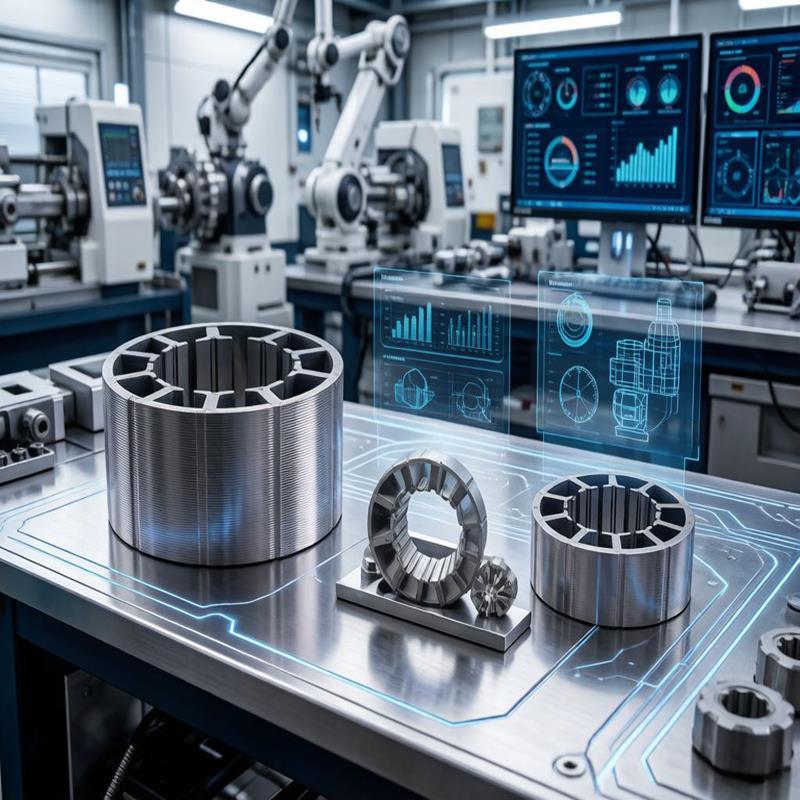
Le prix unitaire ne révèle que peu de choses sur le coût réel. Vous devez examiner la structure complète des coûts sur l'ensemble du cycle de vie du programme. Les rebuts et les reprises augmentent directement les dépenses : matière première gaspillée, temps machine supplémentaire, stocks achetés en excès et usure accélérée des matrices. Un fournisseur présentant des taux de défaut élevés vous oblige à absorber ces frais cachés par des prix de devis plus élevés ou des retards de production.
L'intégration de la conception pour la fabrication (DFM) réduit considérablement le coût total. Lorsque les ingénieurs collaborent tôt, ils simplifient les conceptions, standardisent les matériaux et éliminent les caractéristiques complexes. Une entreprise automobile a réalisé d'importantes économies de production simplement en réduisant le nombre de composants et en utilisant des matériaux standard. La collaboration précoce identifie également les dépendances à une source unique. Un connecteur personnalisé avec peu de fournisseurs mondiaux et des délais longs crée une vulnérabilité. La DFM recommande des alternatives standard avec davantage de fournisseurs et des délais plus courts.
Larson Tool & Stamping réalise régulièrement des réductions de 20 à 25 % du coût total des pièces grâce à la refonte des outils, à la rationalisation des opérations et à l'amélioration du rendement matière. Des taux de défaut plus faibles se traduisent directement par un coût total inférieur.
Vous devez vérifier la capacité du fournisseur à gérer une production en grande série. Demandez des informations sur le tonnage et la taille du plateau des presses, les plans d'équipes et le temps de fonctionnement des outils par rapport au temps de fonctionnement des machines. Une opération en 2 équipes révèle davantage de capacité disponible qu'un plan en 3 équipes fonctionnant au maximum. Demandez leur capacité annuelle standard pour votre référence de pièce spécifique et calculez l'efficacité globale des équipements (OEE) avec la formule : production réelle divisée par la capacité maximale, multipliée par 100.
Exigez trois scénarios de capacité : le plan normal basé sur les prévisions, le plan d'augmentation pour une hausse importante de la demande et le plan d'urgence pour des pics soudains. Visitez l'installation pour observer les opérations directement. Évaluez leurs stratégies de continuité pour les pannes d'équipement, les pénuries de matériaux et les perturbations du transport. Les fournisseurs solides maintiennent des équipements de secours, des stocks de sécurité de matières premières et des stratégies d'approvisionnement diversifiées. Les programmes de gestion des stocks par le fournisseur stabilisent davantage votre chaîne d'approvisionnement.
Le bon fournisseur fournit des Pièces d'emboutissage métallique personnalisées grâce à des Services d'emboutissage métallique de précision intégrés et des capacités robustes de Pièces d'emboutissage de quincaillerie . Ces pièces d'emboutissage métallique doivent arriver de manière constante, indépendamment de la volatilité du marché.
Construisez votre tableau d'évaluation des fournisseurs autour de quatre piliers : certification IATF 16949, capacités techniques, processus d'assurance qualité et coût total de possession. Incluez des indicateurs comme le taux de défauts en PPM et la livraison à temps. Le coût ne doit jamais primer sur la qualité ou la fiabilité. Le bon partenaire, comme Jiaxin , étend votre équipe d'ingénierie. Testez les capacités par le biais d'un projet pilote afin de garantir des pièces d'emboutissage métallique constantes.
Consultez directement le registre mondial IATF à l'aide du numéro de certificat du fournisseur. Confirmez que le périmètre couvre explicitement les processus d'emboutissage sur le site de production que vous prévoyez d'utiliser.
Demandez un PPAP de niveau 3 pour les pièces de production. Ce dossier comprend la DFMEA, la PFMEA, le plan de contrôle, la MSA et les études Cpk. Examinez ces documents de manière critique plutôt que de simplement les classer sans suite.
Demandez trois scénarios de capacité : prévision normale, augmentation et montée en charge d'urgence. Calculez l'efficacité globale des équipements à l'aide de la production réelle divisée par la capacité maximale. Visitez l'installation pour observer les opérations directement.
Catégories
dernier blog
 33#Building Huli Industrial Zones, Meixi Road, Xike Town, Tong'an Area, Xiamen,China


© droits dauteur: 2026 Jiaxin (Xiamen) Precise Metal Co.,Ltd. Tous les droits sont réservés

IPv6 réseau pris en charge
Scannez vers wechat

 français