Comment choisir un fournisseur de pièces métalliques embouties à haute tolérance
Les pièces métalliques embouties de haute précision ne tolèrent aucune erreur de fournisseur. Un mauvais choix de partenaire entraîne des rebuts, des retards et des défauts d'assemblage. Si vos tolérances se mesurent en millièmes (perçages à ±0,05 mm, dimensions bord à bord à ±0,13 mm, hauteurs formées à ±0,38 mm), votre processus de sélection de fournisseur doit être tout aussi rigoureux. Vous devez évaluer les capacités de production, les systèmes qualité, l'expérience du secteur et les services d'assistance.
Choisissez une technologie de presse adaptée au fournisseur et correspondant aux exigences de tolérance de votre pièce.
Choisissez un fournisseur doté de systèmes de qualité éprouvés, tels que les certifications IATF 16949 et l'inspection en ligne.
Exigez une expertise interne en matière d'outillage et de matériaux afin de réduire les coûts et d'éviter les retards.
Les technologies de pointe et les capacités de production déterminent si un fournisseur peut répondre à vos exigences de précision. Lors du choix d'un fournisseur, vérifiez que son équipement est adapté à la géométrie et aux tolérances de vos pièces. Différentes technologies de presse offrent différentes limites de précision.
|
Technologie des presses à estamper |
Limite de précision |
|---|---|
|
presses mécaniques |
Peut estamper des métaux d'une épaisseur aussi petite que 5 millimètres. |
|
Presses hydrauliques |
Idéal pour les pièces de petite taille (d'une dimension minimale de 10 millimètres) ou les grandes pièces complexes (jusqu'à 800 millimètres). |
|
Machines d'estampage de micro-précision |
Supporter des pièces dont le diamètre se mesure en microns ; des dimensions aussi petites que 0,002 pouce sont courantes. |
Vos exigences de tolérance déterminent la technologie de pressage dont votre fournisseur a besoin. Un fournisseur utilisant uniquement des presses mécaniques ne peut pas garantir une précision au micron près.Pièces d'emboutissage métallique sur mesureAssurez-vous que l'équipement corresponde à votre pièce avant de vous engager.
La qualité des matrices et des poinçons détermine souvent les tolérances réalisables. Vérifiez la qualité de l'outillage avant de confier votre production à un fournisseur. Une matrice usée ne peut garantir une tolérance de ±0,05 mm (±0,002 pouce), aussi performante soit la presse. Demandez les registres d'entretien et les calendriers d'inspection de l'outillage.
La capacité de production, l'historique et les délais de livraison permettent d'évaluer la fiabilité d'un fournisseur en matière de fabrication de pièces de haute précision. Demandez-lui son taux de défauts externes (PPM, parties par million de défauts constatés par le client) et son taux de livraison à temps. Les fournisseurs les plus performants affichent un taux inférieur à 5 PPM et un taux de livraison à temps supérieur ou égal à 98 %. Ces chiffres sont bien plus révélateurs qu'une simple présentation commerciale.
La capacité de production d'outillage en interne distingue les entreprises sérieuses.Services d'emboutissage de précisionLes fournisseurs disposant de leurs propres ateliers d'outillage évitent les délais liés aux ateliers externes. Leurs outilleurs évaluent et résolvent les problèmes en temps réel, sans qu'il soit nécessaire d'envoyer les outils hors site. Un outillage conçu, fabriqué et entretenu en interne permet une remise en service plus rapide de votre ligne de production.
Parce que nous concevons et fabriquons nos outils dans nos propres ateliers — plutôt que de les sous-traiter —, nous pouvons souvent raccourcir les délais, mener des activités en parallèle et réagir rapidement si un client a besoin d'accélérer le lancement ou d'apporter une modification de conception de dernière minute.
La différence de coût est importante. L'externalisation de l'outillage peut augmenter les coûts de 30 % ou plus. L'outillage interne permet généralement de réduire les coûts d'outillage de 20 à 30 % et de raccourcir les délais de livraison de plusieurs semaines.
Le prototypage accélère votre passage à la production. Le prototypage rapide par estampage permet d'affiner rapidement la conception avant la fabrication complète des matrices progressives. Les ingénieurs utilisent des logiciels de simulation pour identifier les points faibles et signaler les problèmes de conception avant l'usinage de l'acier. Nos technologies de prototypage internes (électroérosion à fil, découpe au jet d'eau, impression 3D et gravure chimique) permettent de produire des pièces représentatives de la production dans des délais très courts. Cette approche réduit les risques liés à la production et prolonge la durée de vie des outils.
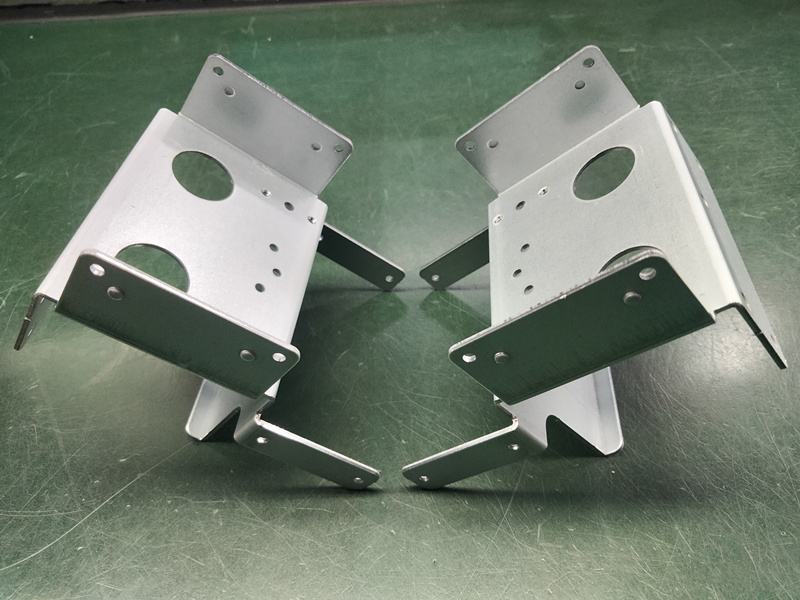
Lors du choix d'un fournisseur, les certifications constituent un premier gage de qualité. La norme ISO 9001:2015 représente le référentiel de gestion de la qualité. La certification IATF 16949, quant à elle, s'adresse aux fournisseurs du secteur automobile et est directement liée à la réduction des rebuts.
La plupart des publications portent sur la prévention des défauts et des variations de production, ainsi que sur la minimisation des rebuts et des déchets.
L'accent mis par la norme sur la réduction des variations et des gaspillages est en parfaite adéquation avec les principes du lean manufacturing. L'optimisation de l'imbrication réduit les rebuts. La standardisation des procédures de réglage diminue les temps de changement de série. Le management visuel en atelier améliore la maîtrise des processus. En cas de non-conformité, la norme IATF 16949 exige une procédure formelle d'actions correctives. Il est impératif d'identifier la cause première, de mettre en œuvre les actions correctives, d'en vérifier l'efficacité et de mettre à jour l'AMDEC et le plan de contrôle. Ceci se traduit par une diminution des taux de PPM et une réduction des problèmes récurrents tout au long du cycle de vie du programme.
Pour le marquage des dispositifs médicaux, la certification ISO 13485 est indispensable. Les fabricants doivent la détenir pour se conformer systématiquement aux exigences réglementaires et aux attentes des clients. Les environnements de salles blanches permettent de contrôler la contamination particulaire, ce qui influe directement sur la précision. Des systèmes de traçabilité robustes documentent tous les processus. Pour les applications aérospatiales, la certification AS9100 atteste des mesures mises en œuvre pour prévenir les pièces défectueuses ou contrefaites, maintenir la flexibilité et répondre aux exigences de sécurité. Les systèmes qualité doivent être vérifiables. Recherchez les certifications ISO 9001:2015 et IATF 16949. Vérifiez les capacités PPAP. Assurez-vous de l'utilisation documentée des outils APQP.
Dans un processus rapide, l'assurance qualité doit suivre le rythme de la presse. Les systèmes d'inspection visuelle en ligne surveillent les dimensions critiques en temps réel. Ils détectent les variations dès leur apparition et permettent un ajustement immédiat.
Dans un processus rapide, l'assurance qualité doit suivre le rythme de la presse. Les systèmes d'inspection visuelle en ligne surveillent en temps réel les dimensions et caractéristiques critiques, détectant les variations dès leur apparition et permettant un ajustement immédiat.
Les laboratoires d'assurance qualité étendent la vérification par des tests fonctionnels, notamment des tests de force d'insertion et de rétention pour les applications de contacts et de connecteurs. Le flux de données permet d'établir une analyse statistique du processus, démontrant sa stabilité dans le temps. L'inspection en ligne repose sur des capteurs intégrés, des systèmes de surveillance des presses et des systèmes de vision par caméra. Le système de surveillance des presses suit le TRS (taux de rendement synthétique) de la production et fournit un retour d'information en temps réel pour chaque presse. Plusieurs capteurs intégrés et systèmes de vision par caméra inspectent les dimensions critiques avec une grande rapidité et une grande précision.
Le contrôle statistique des procédés (SPC) consiste à surveiller la force de pressage, le jeu de la matrice et l'épaisseur du matériau à l'aide de cartes de contrôle. Ces indicateurs permettent d'identifier les tendances susceptibles de prédire les défaillances. Un véritable SPC permet à un fabricant de démontrer sa maîtrise des procédés grâce à des indicateurs tels que le Cp et le Cpk. Il fournit ainsi des données auditées qui vérifient que les tolérances sont respectées.
Les systèmes de traçabilité réduisent les coûts de rappel. Les numéros de lot traditionnels identifient l'ensemble d'une production. En cas de défaut, il peut être nécessaire de rappeler toutes les pièces fabriquées pendant cette période. Les systèmes de traçabilité modernes utilisent les numéros de série, les codes Data Matrix, les codes QR, les informations sur les cavités de moule et les enregistrements des lots de matériaux. Cette traçabilité au niveau de la pièce permet d'isoler les pièces défectueuses avec une plus grande précision et de réduire le nombre de pièces rappelées. Lors du choix d'un fournisseur, assurez-vous que son système de traçabilité fournit des données au niveau de la pièce. Cette capacité vous protège des rappels massifs et des arrêts de production prolongés.
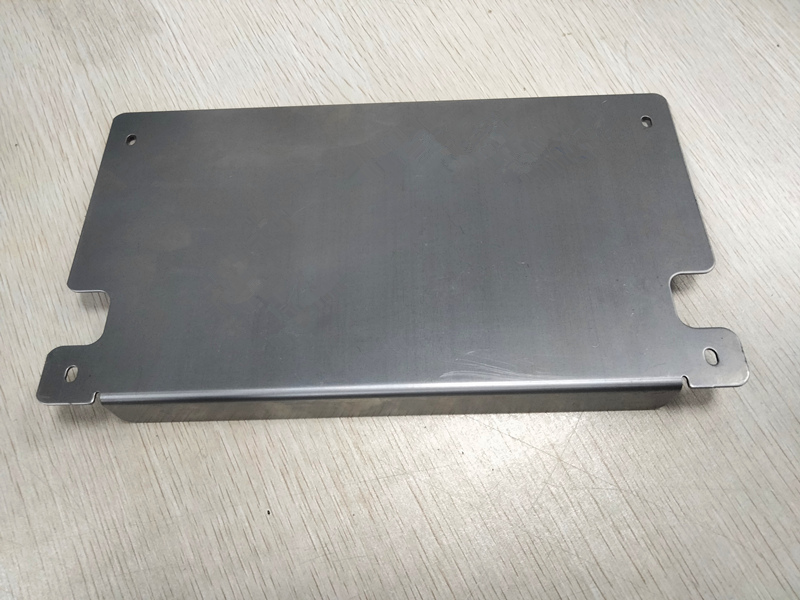
Une solide expérience des pièces complexes distingue les fournisseurs compétents de ceux qui ne traitent que des pièces simples. Un fournisseur ayant une longue expérience dans votre secteur comprend les défis spécifiques que présentent vos pièces. Il a déjà constaté les modes de défaillance. Il sait quels ajustements effectuer pour maintenir des tolérances serrées lorsque le matériau se comporte de manière imprévue.
La maîtrise des matériaux influe directement sur votre taux de réussite. Le choix judicieux des matériaux et les ajustements appropriés du processus déterminent si vous atteignez vos objectifs de tolérance ou si vous passez votre journée à lutter contre les rebuts. Analysez l'influence des facteurs liés aux matériaux sur l'emboutissage de précision :
|
Facteur matériel |
Effet sur le succès de l'emboutissage à tolérance serrée |
|---|---|
|
Ductilité et formabilité |
Une ductilité et une formabilité optimales permettent de fabriquer des composants précis avec des taux de rebut minimaux. |
|
Résistance à la traction |
Une résistance à la traction plus élevée résiste à la déformation mais est plus difficile à estampiller avec précision, ce qui nécessite plus de force, entraîne une usure plus importante des outils et un entretien plus fréquent, ce qui affecte la précision dimensionnelle. |
|
Direction du grain |
Le sens du grain influence le flux de matière lors de l'emboutissage ; le risque de fissuration et de déformation augmente lorsque le grain est parallèle aux lignes de contrainte, la conception de la matrice et la planification du processus doivent donc en tenir compte pour maintenir des tolérances serrées. |
Un fournisseur possédant une véritable expertise des matériaux ne se contente pas de choisir un métal et de l'utiliser. Il adapte l'outillage et les procédés lorsque le matériau reçu présente des défauts. Il ajuste les pressions de maintien, le jeu des poinçons et des matrices, ainsi que la lubrification afin de compenser les variations d'épaisseur, les contraintes résiduelles ou les problèmes de dureté susceptibles d'entraîner des déchirures ou des plis. Il tisse des relations solides avec les aciéries et les centres de services pour s'assurer, de manière proactive, un approvisionnement optimal en matériaux, plutôt que de réagir a posteriori aux problèmes de qualité. Il utilise la gestion des stocks par le fournisseur (VMI) et les commandes-cadres pour garantir la disponibilité des matériaux nécessaires à une production régulière.
Le fournisseur idéal d'emboutissage profond investit dans des matériaux de la plus haute qualité pour vos pièces et produits. Il maîtrise parfaitement le lien entre les propriétés des matériaux et les performances d'emboutissage. Il réagit immédiatement aux problèmes de matériaux. Cette expertise technique approfondie garantit le respect de vos délais, de vos objectifs de qualité et de coûts, même dans des conditions de matériaux difficiles. Lorsque vous choisissez un fournisseur pourService d'estampage de métaux sur mesure, recherchez ce niveau de commande matérielle.
Une entreprise d'estampage fiable fait preuve de transparence. Elle répond directement à vos questions, vous présente ses données et vous permet de vérifier ses affirmations. Utilisez ces questions pour distinguer les fournisseurs sérieux de ceux qui se cachent derrière un discours commercial :
Pouvez-vous me montrer des exemples de pièces que vous avez estampées avec des tolérances similaires aux miennes ?
Quelle est votre procédure de traitement des matériaux non conformes aux spécifications ?
Comment documenter la traçabilité des matières premières jusqu'à la pièce finie ?
Quels services à valeur ajoutée proposez-vous en interne, tels que la finition, le traitement thermique ou l'assemblage ?
Pouvez-vous me fournir des références de clients de mon secteur d'activité ?
Quelle est votre procédure d'action corrective lorsqu'une non-conformité survient ?
Les réponses indiquent si un fournisseur est en mesure de satisfaire vos exigences spécifiques. Un fournisseur hésitant ou donnant des réponses vagues risque de rencontrer des difficultés lorsque votre production sera confrontée à un problème concret. Un fournisseur fournissant des exemples précis, des données et des références possède l'expérience et les systèmes nécessaires pour mener à bien votre projet.
Les services à valeur ajoutée vont bien au-delà de l'emboutissage. La finition, le traitement thermique, le plaquage et l'assemblage réalisés en interne simplifient votre chaîne d'approvisionnement. Vous évitez ainsi les retards et les risques de qualité liés à l'expédition de pièces entre plusieurs fournisseurs. Un fournisseur maîtrisant l'ensemble de ces capacités vous offre un meilleur contrôle et des délais de livraison plus courts.
Trois piliers guident votre recherche : une capacité de production éprouvée, des systèmes de qualité rigoureux et une expérience pertinente assortie d’un support fiable. Le prix le plus bas est rarement synonyme de coût le plus bas ; le coût réel d’une pièce peut dépasser son prix d’achat. Établissez une grille d’évaluation, puis demandez des échantillons de pièces ou un audit des installations avant de choisir un fournisseur.
Analysez leur taux de PPM, leur historique de livraisons à temps et les références de leurs clients dans votre secteur. Ces indicateurs révèlent la qualité et la fiabilité réelles.
La ductilité, la résistance à la traction et l'orientation du grain du matériau influent directement sur votre tolérance. Choisissez un fournisseur possédant une connaissance approfondie des matériaux pour des résultats constants.
L'outillage interne permet de réduire les coûts de 20 à 30 %, de raccourcir les délais de livraison et d'accélérer la résolution des problèmes en production. Il diminue ainsi les risques liés à votre chaîne d'approvisionnement.
Catégories
dernier blog
 33#Building Huli Industrial Zones, Meixi Road, Xike Town, Tong'an Area, Xiamen,China


© droits dauteur: 2026 Jiaxin (Xiamen) Precise Metal Co.,Ltd. Tous les droits sont réservés

IPv6 réseau pris en charge
Scannez vers wechat

 français