Comment le matériel de stockage d’énergie nouvelle galvanisé lutte contre la corrosion dans les systèmes modernes ?
Vous avez besoin de matériel fiable de stockage d’énergie capable de résister à des conditions difficiles. La corrosion peut endommager votre système et mettre la sécurité en danger. Au cours de la dernière décennie, la demande en matériel résistant à la corrosion a fortement augmenté, car les projets d’énergies renouvelables se multiplient, surtout près des côtes où l’air salin accélère la rouille. Le matériel de stockage d’énergie galvanisé New Energy Storage Hardware vous apporte une solution solide. Le matériel de stockage d’énergie galvanisé réglable New Energy Storage Hardware montre comment de nouvelles conceptions peuvent vous aider à protéger votre investissement et à garantir le fonctionnement sûr de votre système énergétique.
Le matériel de stockage d’énergie galvanisé New Energy Storage Hardware protège contre la corrosion grâce à un revêtement de zinc qui agit comme une barrière et une couche sacrificielle.
Choisir "matériel résistant à la corrosion peut prolonger la durée de vie de votre système de stockage d’énergie, vous permettant d’économiser sur les réparations et les remplacements.
Vérifiez régulièrement votre matériel pour détecter les signes de corrosion afin de repérer les problèmes tôt et de maintenir la fiabilité du système.
Les conceptions réglables de matériel galvanisé facilitent l’installation et sont compatibles avec différents types et configurations de batteries.
Appliquez les meilleures pratiques, comme l’utilisation de matériaux non conducteurs et la garantie d’un bon drainage, pour optimiser la longévité de votre matériel de stockage d’énergie.
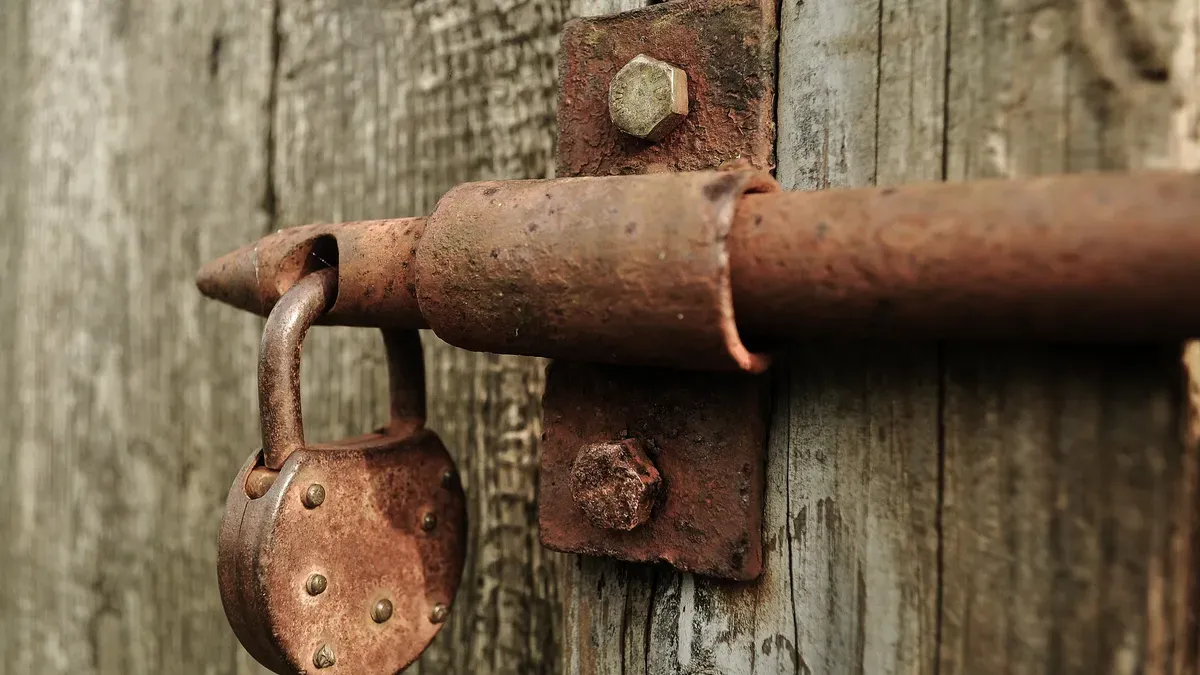
Vous êtes confronté à de nombreux défis lorsque vous protégez les systèmes de stockage d’énergie contre la corrosion. Différents types de systèmes fonctionnent dans des environnements uniques, et chacun comporte ses propres risques. Le tableau ci-dessous montre comment divers systèmes de stockage d’énergie subissent la corrosion :
|
Type de système de stockage d’énergie |
Facteurs environnementaux contribuant à la corrosion |
|---|---|
|
Systèmes de stockage d’énergie de longue durée |
Environnements électrochimiques agressifs, électrolytes réactifs, conditions de pH variables, potentiels électrochimiques |
|
Batteries lithium-ion |
Corrosion par piqûres dans les collecteurs de courant en aluminium due aux ions fluorure, oxydation du cuivre lors de la surcharge |
|
Batteries à flux |
Électrolytes très acides ou alcalins, en particulier dans les batteries redox à flux au vanadium avec acide sulfurique |
|
Stockage d’énergie par air comprimé |
Infiltration d’humidité, contamination par le sel, fluctuations de température |
|
Stockage d’énergie thermique |
Mélanges de sels de chlorures et de nitrates à haute température attaquant les aciers de structure et les échangeurs de chaleur |
|
Stockage d’énergie à hydrogène |
Fragilisation par l’hydrogène, environnements à haute pression provoquant des fissures dans les réservoirs et les pipelines |
La corrosion ne fait pas que donner un aspect ancien au matériel. Elle peut réduire la durée de vie de votre système de stockage d’énergie. Lorsque la corrosion attaque les pièces métalliques, elle les affaiblit et peut provoquer des fuites, voire une défaillance du système. Vous pouvez constater une baisse d’efficacité ou subir des pannes soudaines qui mettent la sécurité en danger.
Vous devez aussi prendre en compte les coûts. La corrosion peut entraîner des réparations et des remplacements coûteux. De nombreux exploitants de systèmes se concentrent désormais sur le coût total de possession, et pas seulement sur le prix initial. Des matériaux durables et résistants à la corrosion vous aident à éviter des maintenances fréquentes et à prolonger le fonctionnement de votre système. En choisissant le bon matériel, vous protégez votre investissement et garantissez des performances fiables pendant des années.
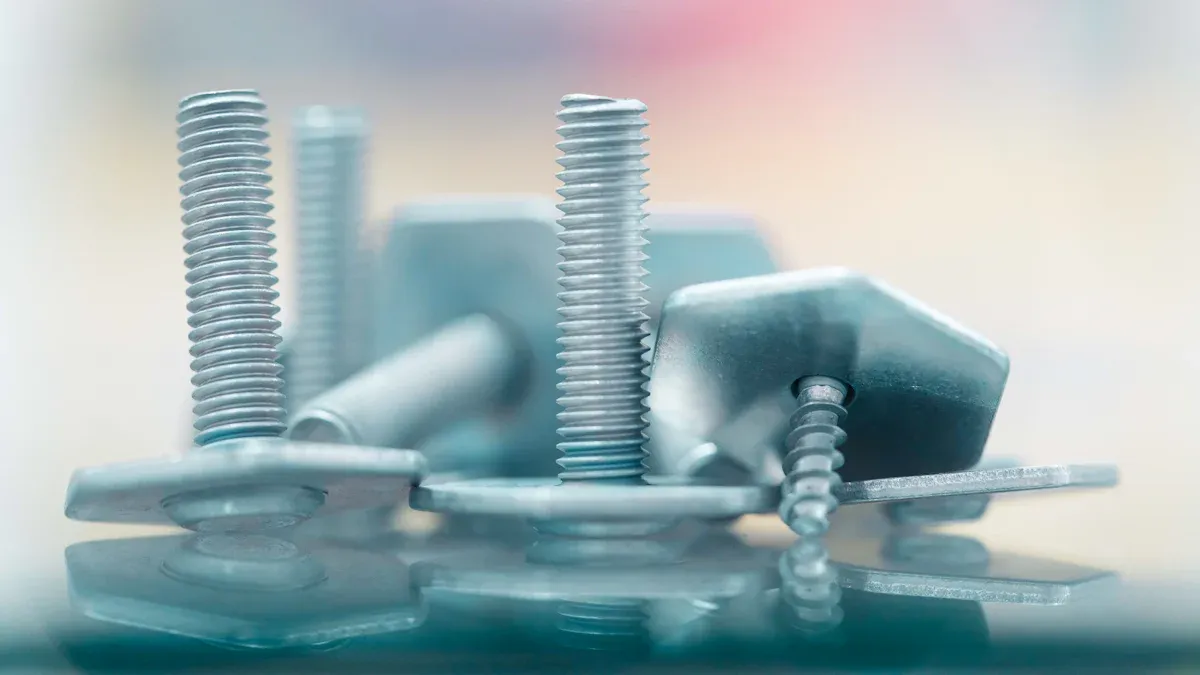
Lorsque vous choisissez du matériel pour votre système de stockage d’énergie, vous voulez qu’il dure. Le matériel galvanisé se distingue car il utilise un procédé spécial pour protéger l’acier contre la rouille et les dommages. Dans ce procédé, les fabricants recouvrent l’acier d’une couche de zinc. Cette couche de zinc ne se contente pas de recouvrir le métal. Elle agit comme un bouclier qui empêche l’eau, l’air et d’autres éléments de provoquer la corrosion.
Le revêtement de zinc forme une barrière, de sorte que l’acier n’entre pas en contact avec l’humidité ou l’oxygène.
Le zinc réagit en premier lorsqu’il est exposé à l’environnement. Il se sacrifie pour empêcher la rouille d’atteindre l’acier en dessous.
Vous bénéficiez de deux niveaux de protection. La barrière empêche les éléments nocifs de pénétrer, et le zinc se sacrifie pour protéger l’acier. Cela fait du matériel galvanisé un choix judicieux pour les endroits où vous êtes exposé à la pluie, au sel ou aux produits chimiques.
Vous avez besoin d’un matériel capable de supporter des tâches difficiles dans les stations de recharge de véhicules électriques, les fermes solaires et les éoliennes.Adjustable Galvanized New Energy Storage HardwareLe Adjustable Galvanized New Energy Storage Hardware vous offre cette solidité et cette flexibilité. Il utilise de l’acier SPCC de haute qualité et une surface galvanisée, vous offrant une forte protection contre la corrosion et les intempéries.
Voici quelques caractéristiques et avantages clés que vous trouverez :
|
Caractéristique ou avantage |
Comment cela vous aide dans le stockage d’énergie renouvelable |
|---|---|
|
Résistance à la corrosion |
Protège votre système des rayons UV, des embruns salins et de l’humidité. |
|
Durée de vie prolongée |
Permet à votre système de fonctionner pendant plus de 25 ans, ce qui permet d’économiser de l’argent. |
|
Résistance à la traction élevée |
Résiste aux contraintes dans les installations éoliennes et solaires. |
|
Conformité aux normes |
Respecte les règles de sécurité UL et IEC pour des performances fiables. |
|
Capacité de liaison électrique |
Assure une mise à la terre sûre dans les systèmes solaires et éoliens. |
Vous bénéficiez également de l’avantage de l’ajustabilité. Le Adjustable Galvanized New Energy Storage Hardware s’adapte à de nombreuses tailles et formes de batteries. Cela facilite et accélère votre installation.
|
Avantage |
Description |
|---|---|
|
Flexibilité |
Permet d’installer et de maintenir le matériel avec moins d’effort. |
|
Compatibilité |
Compatible avec les configurations boulonnées et soudées. |
|
Adaptabilité |
S’adapte à différents types de batteries et configurations. |
Vous pouvez installer ce matériel rapidement, ce qui vous fait gagner du temps. Vous n’avez pas besoin d’outils ou de compétences spécifiques. La conception prend en charge les connexions boulonnées et soudées, ce qui vous permet de l’utiliser dans de nombreux contextes.
Vous recherchez la sécurité et la fiabilité. Ce matériel offre les deux. Le matériau SPCC robuste et la finition galvanisée protègent votre investissement. La conception réglable facilite votre travail, que vous travailliez avec des véhicules électriques, des panneaux solaires ou des éoliennes. Lorsque vous choisissez le matériel de stockage d’énergie nouvelle galvanisé, vous obtenez une solution durable, économique et qui maintient la sécurité de votre système.
Vous avez besoin d’un bouclier solide pour protéger votre matériel de stockage d’énergie contre la rouille. Les revêtements galvanisés vous offrent cette protection. Lorsque vous utilisez de l’acier galvanisé, une couche de zinc recouvre la surface. Cette couche de zinc agit comme une barrière solide et continue. Elle empêche l’eau, l’air et d’autres éléments responsables de la corrosion de pénétrer.
Les revêtements en zinc créent une barrière métallique continue et imperméable qui empêche l’humidité d’entrer en contact avec l’acier, ce qui est essentiel pour prévenir la corrosion.
L’efficacité de la barrière dépend de l’épaisseur du revêtement en zinc. Des revêtements plus épais durent plus longtemps et offrent une meilleure protection.
Le zinc agit également comme anode sacrificielle, ce qui signifie qu’il se corrode avant l’acier.
Vous pouvez voir la différence de protection en observant l’épaisseur du revêtement :
|
Type de revêtement |
Plage d’épaisseur |
Résistance à la corrosion |
|---|---|---|
|
Galvanisé à chaud |
3,0 - 5,0 mils (75-125 micromètres) |
Supérieure, idéale pour les environnements difficiles |
|
Électro-galvanisé |
0,2 - 1,0 mils (5-25 micromètres) |
Modérée, nécessite de l’entretien |
Si vous choisissez le matériel de stockage d’énergie nouvelle galvanisé, vous obtenez un produit doté d’une barrière en zinc qui résiste aux conditions météorologiques difficiles et protège votre système.
Les revêtements galvanisés font plus que bloquer et sacrifier. Ils possèdent aussi des propriétés d’auto-réparation. Lorsque de petites rayures ou des dommages apparaissent, le zinc peut toujours protéger l’acier exposé. Le revêtement forme une couche passive d’auto-réparation. Cette couche continue de fonctionner même en cas de légers dommages.
Les revêtements galvanisés utilisent un système de protection multicouche. La couche de passivation protège le revêtement en zinc et garantit la poursuite de la protection sacrificielle. Cela signifie que votre matériel reste protégé longtemps, même dans des conditions difficiles. Vous pouvez avoir confiance dans le bon fonctionnement de votre système de stockage d’énergie, année après année.
Vous pouvez vous demander comment le matériel galvanisé se compare à l’acier inoxydable dans les systèmes de stockage d’énergie. Les deux matériaux protègent contre la corrosion, mais ils fonctionnent différemment.
L’acier galvanisé utilise un revêtement en zinc. Ce revêtement agit comme une barrière et une couche sacrificielle. Il protège l’acier de l’eau, de l’air et des produits chimiques.
La couche de zinc vous offre une protection à long terme. Elle fonctionne bien dans les environnements extérieurs, marins et dans les endroits soumis à des variations de température.
L’acier galvanisé fonctionne bien face à l’humidité, l’exposition aux produits chimiques ou les variations de température.
L’acier inoxydable contient du chrome. Cet élément lui confère une forte résistance à la rouille et à la corrosion.
Vous choisissez souvent l’acier inoxydable pour les environnements à haute pureté ou à haute température. Il fonctionne mieux dans des systèmes de stockage d’énergie spécifiques où ces conditions sont essentielles.
Vous pouvez utiliser le matériel galvanisé pour la plupart des projets de stockage d’énergie. L’acier inoxydable convient mieux aux environnements à très haute température ou nécessitant des conditions très propres.
Voici un tableau simple pour vous aider à comparer :
|
Type de matériel |
Coût initial |
Coût total de possession |
|---|---|---|
|
Galvanisé |
Inférieur |
Potentiellement plus élevé sur 25 ans |
|
Acier inoxydable |
Plus élevé |
Souvent plus bas sur 25 ans |
Conseil : Si vous recherchez un bon équilibre entre coût et protection, le matériel galvanisé offre une grande valeur. Pour des besoins spécifiques, comme la haute température ou la pureté, l’acier inoxydable peut être le meilleur choix.
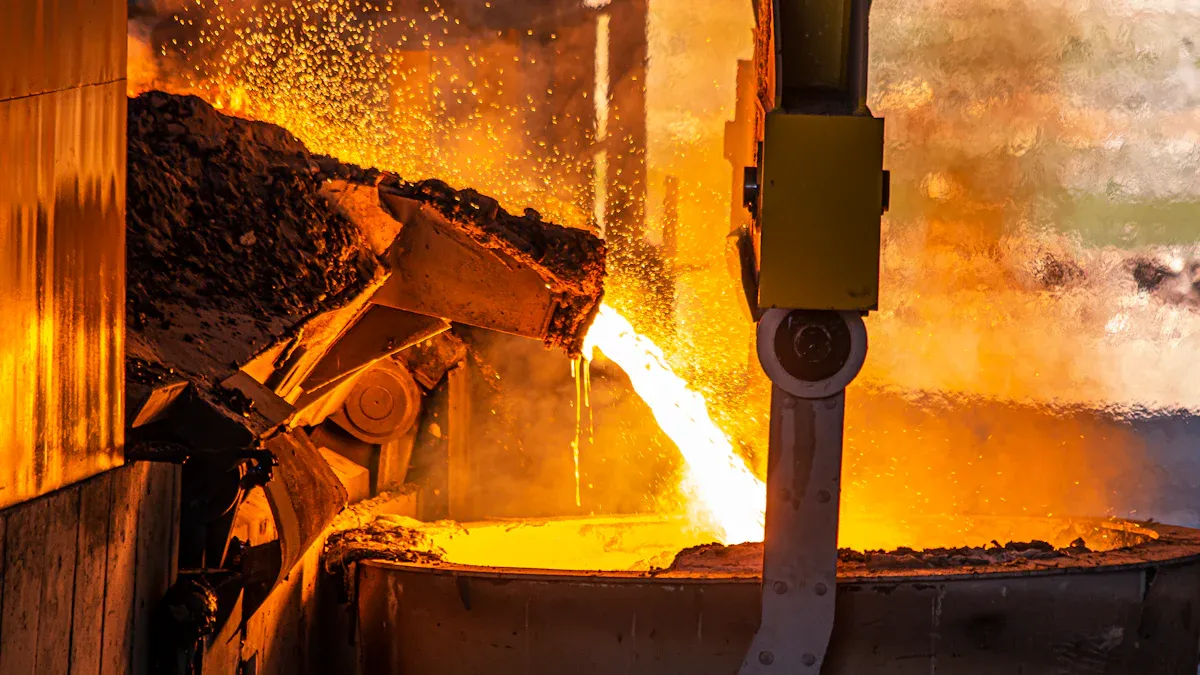
Le matériel galvanisé utilise un revêtement en zinc. Ce revêtement forme une barrière qui bloque l’eau et l’air. Si le revêtement est rayé, le zinc se sacrifie pour protéger l’acier en dessous.
Oui, vous pouvez utiliser le matériel galvanisé en extérieur. La couche de zinc résiste à la pluie, au soleil et à l’air salin. Elle fonctionne bien dans des endroits comme les fermes solaires, les sites éoliens et les stations de recharge pour véhicules électriques.
Vous trouverez le matériel galvanisé simple à installer. La plupart des produits sont compatibles avec les outils et installations standard. Les conceptions réglables permettent de s’adapter à différentes tailles et configurations de batteries sans effort supplémentaire.
Vous pouvez utiliser le matériel galvanisé avec d’autres métaux, mais vous devez éviter le contact direct avec le cuivre ou l’aluminium. Utilisez des rondelles ou des isolants pour séparer les différents métaux et éviter la corrosion galvanique.
Catégories
dernier blog
 33#Building Huli Industrial Zones, Meixi Road, Xike Town, Tong'an Area, Xiamen,China


© droits dauteur: 2026 Jiaxin (Xiamen) Precise Metal Co.,Ltd. Tous les droits sont réservés

IPv6 réseau pris en charge
Scannez vers wechat

 français