L'emboutissage à grande vitesse affecte-t-il la précision des bornes de précision
Principales influences sur la précision du poinçonnage à grande vitesse des terminaux
Le poinçonnage à grande vitesse fonctionne généralement à 1000–6000 coups par minute. Les principales dérives de précision proviennent surtout du fonctionnement dynamique plutôt que du procédé lui-même :
- Vibrations de l’équipement et dérive de position : les impacts à haute fréquence sur le long terme provoquent de légères vibrations du bâti et une déflexion du coulisseau, entraînant des erreurs d’espacement et une dérive dimensionnelle des terminaux.
- Usure du moule et variation du jeu : les terminaux de précision sont fabriqués à partir de fines bandes en alliage de cuivre et en acier inoxydable avec des jeux de poinçonnage extrêmement réduits. Les frottements fréquents à grande vitesse accélèrent l’usure des outils de coupe, provoquant des bavures, des angles d’écrasement et des écarts dimensionnels hors tolérance.
- Instabilité du retour élastique du matériau : les matériaux métalliques fins présentent un retour élastique incohérent lors du pliage à grande vitesse, entraînant des écarts d’angle et de forme des terminaux estampés.
- Erreur de synchronisation de l’alimentation : une alimentation à grande vitesse non synchronisée et un décalage de positionnement entraînent une accumulation de tolérances et affectent la cohérence globale des produits terminaux.
Solutions principales pour stabiliser la précision du poinçonnage
Les problèmes de précision causés par le poinçonnage à grande vitesse sont entièrement maîtrisables. Les usines professionnelles de poinçonnage de précision adoptent les mesures de contrôle standardisées suivantes pour garantir la précision et la cohérence des produits :
- Moule progressif de haute précision : utilisation de lames en acier au tungstène et d’une structure de guidage interne, contrôle du jeu du moule à 0,003 mm, réduisant fortement la déformation et l’usure du poinçonnage.
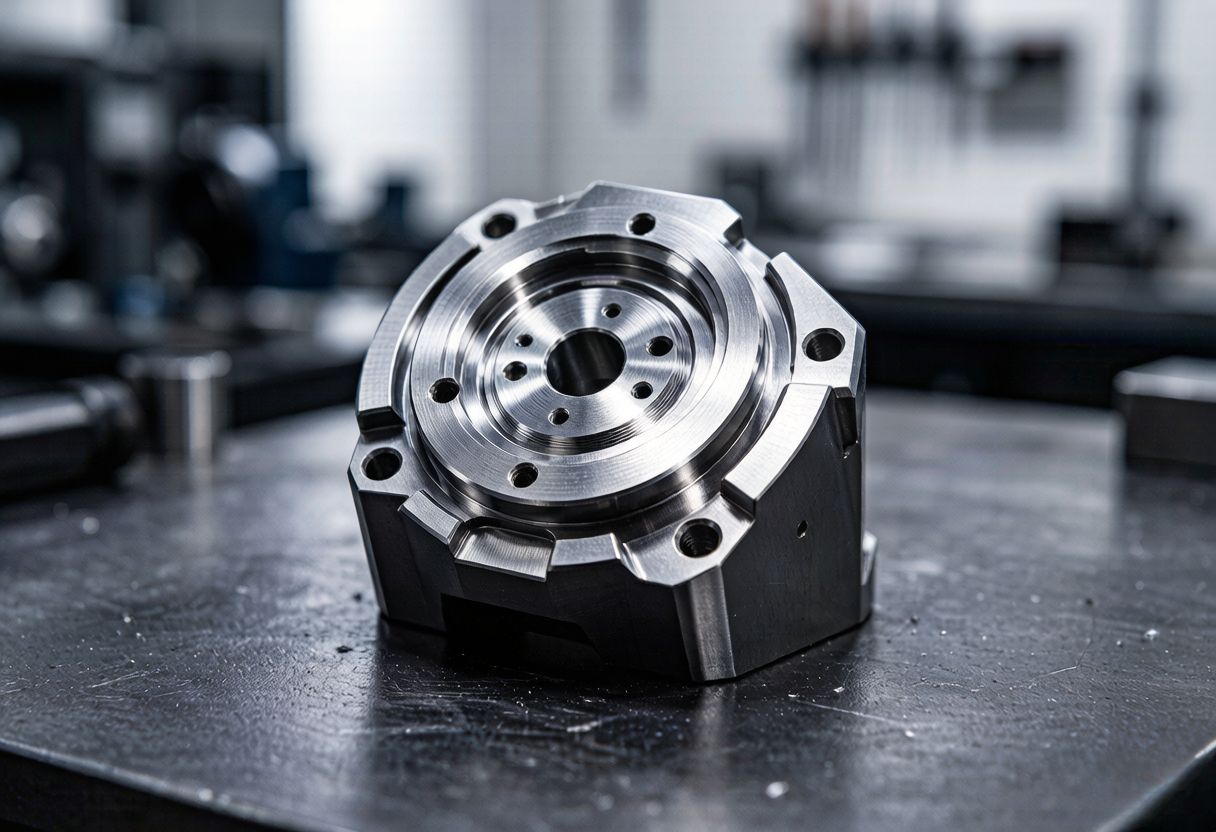
- Équipements de poinçonnage à haute rigidité : équipés de portiques en boucle fermée et d’un système d’alimentation servo, améliorant la précision de repositionnement et réduisant les vibrations de fonctionnement.
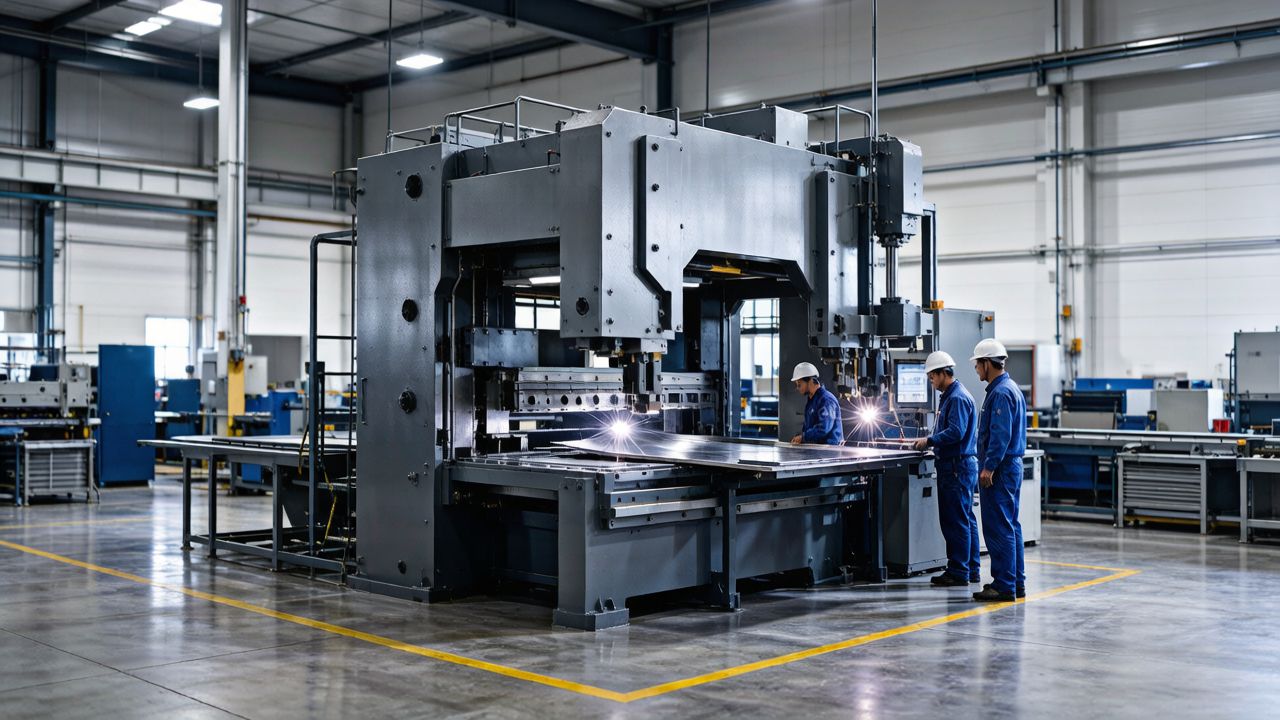
- Paramètres de procédé optimisés : adapter scientifiquement la vitesse de poinçonnage et le jeu au matériau selon l’épaisseur, et ajouter une structure de compensation du retour élastique pour les opérations de pliage.
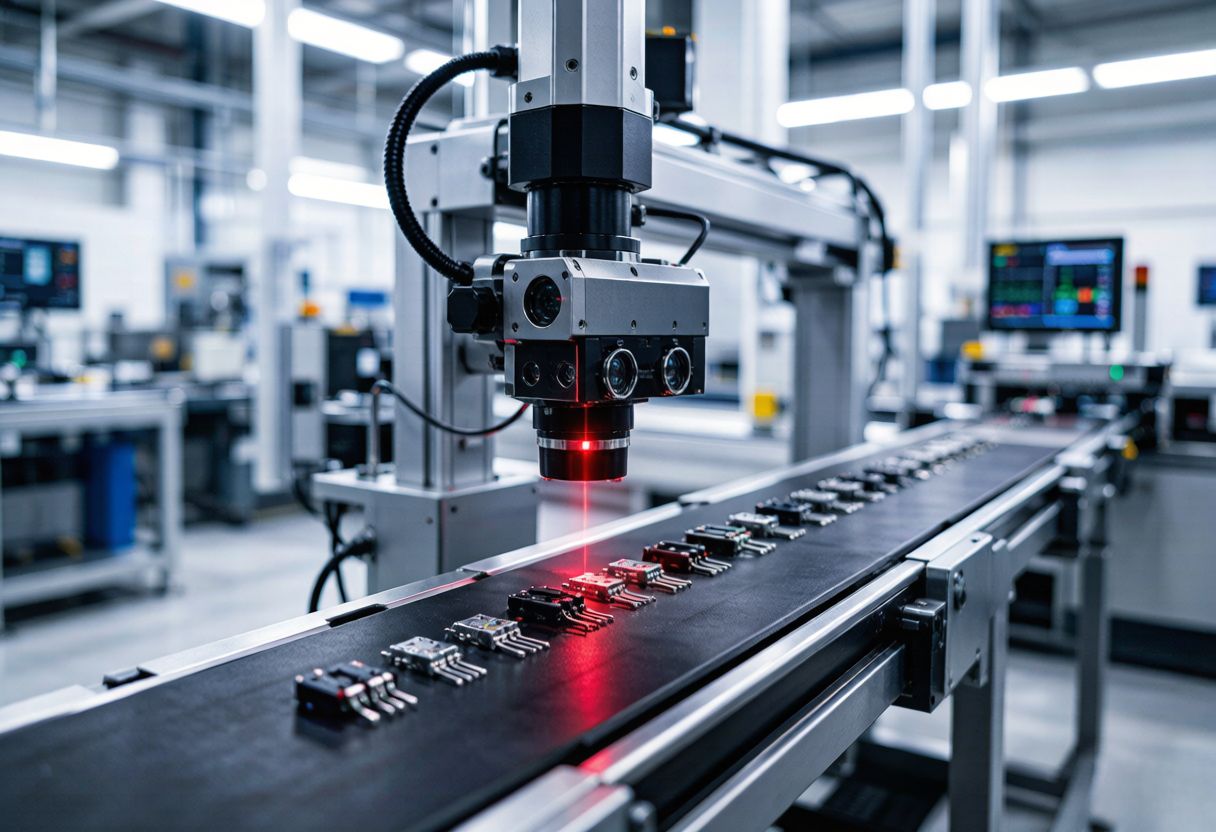
- Inspection en ligne complète : déploiement d’équipements d’inspection visuelle CCD pour surveiller en temps réel la taille, les bavures et l’aspect des produits, permettant un contrôle qualité en boucle fermée.
- Contrôle de température constante et des matériaux : stabiliser la température de l’atelier et sélectionner des matériaux métalliques à haute tolérance afin d’éviter les écarts de précision causés par les déformations thermiques et les différences de matériaux.
Conclusion
Le poinçonnage à grande vitesse n’est pas un obstacle à la précision, mais la meilleure solution pour la production de masse à haute efficacité et haute précision determinaux de précision.Des moules fiables, des équipements stables et une gestion de processus raffinée peuvent compenser totalement les légères fluctuations du fonctionnement à grande vitesse, en maintenant la précision des terminaux dans la plage de tolérance standard de l’industrie et en répondant aux exigences strictes des industries électroniques haut de gamme et des nouvelles énergies.
Catégories
dernier blog
 33#Building Huli Industrial Zones, Meixi Road, Xike Town, Tong'an Area, Xiamen,China


© droits dauteur: 2026 Jiaxin (Xiamen) Precise Metal Co.,Ltd. Tous les droits sont réservés

IPv6 réseau pris en charge
Scannez vers wechat

 français